
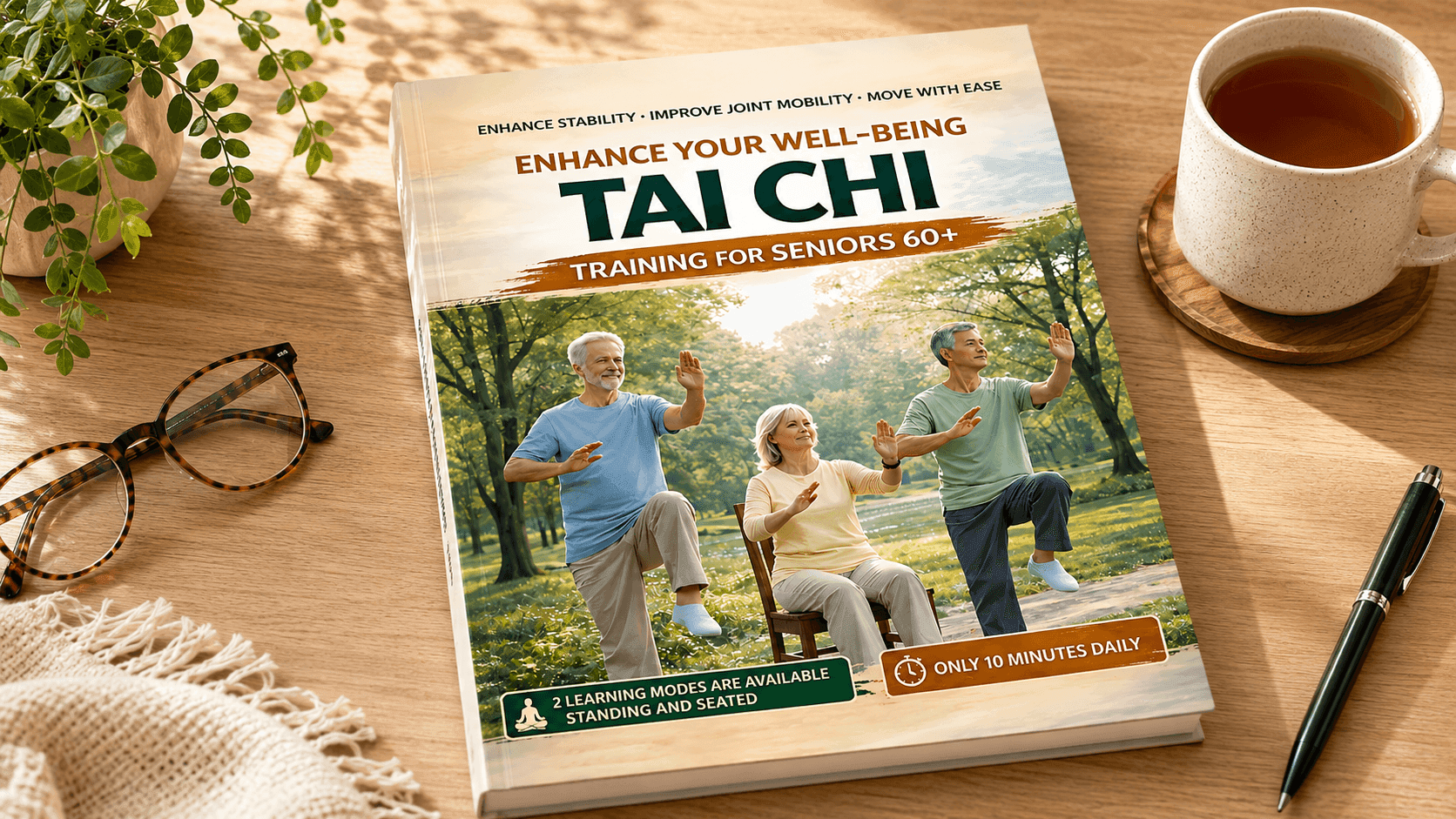
A stiff back, sore knees, and shaky balance can turn simple tasks into long afternoons. That’s one reason gentle movement programs keep growing in popularity among older adults. Tai chi stands out because the movements stay slow, smooth, and easy on joints.
According to Harvard Health Publishing, tai chi may help improve balance, flexibility, and fall prevention in older adults. Seniors often look for simple tools that make daily movement easier to follow, and a structured planner can help keep that routine consistent.
The Gentle Tai Chi Daily Practice Planner for Seniors gives a clear daily layout without overwhelming instructions. Instead of flipping through scattered notes or random videos, you get organized pages designed for tracking progress, posture practice, stretching sessions, and movement goals. The format stays simple enough for beginners while still offering useful structure for long-term practice.
Gentle Tai Chi Daily Practice Planner for Seniors Makes Daily Movement Easier
Many seniors start tai chi with good intentions, then lose track after a few days. A planner changes that pattern by creating structure. The Gentle Tai Chi Daily Practice Planner for Seniors includes sections for movement tracking, breathing exercises, balance routines, and flexibility notes.
One useful feature involves progressive tracking. You can record how long each session lasts, note energy levels, and track movement comfort over time. That simple habit helps spot improvements that often go unnoticed during daily life.
The spiral-bound design also matters more than expected. Flat pages stay open during practice, which helps during standing poses or seated exercises. Several users mentioned that feature in product reviews because it removes frustration during routines.
Product Details and Current Pricing
The current Amazon US price for the Tai Chi Daily Practice Planner for Seniors & Beginners sits around $6.92 for the spiral-bound version. Pricing can shift slightly during seasonal sales or limited promotions.
The planner includes:
- Spiral-bound format
- Daily exercise tracking pages
- Balance and posture logging
- Gentle movement progress sections
- Beginner-friendly layouts
- Compact 5.5 x 8.3-inch size
- Structured daily wellness organization
Another similar version sold through Walmart currently lists around $7.99 and includes progressive exercise tracking for balance and wellness.
That price range keeps the planner affordable compared with many senior fitness journals or guided wellness programs.
Why Seniors Often Prefer Tai Chi Over Intense Fitness Programs
High-impact workouts can create stress on hips, knees, and lower backs. Tai chi moves at a slower pace, which makes it easier for older adults dealing with stiffness or limited mobility.
Physical therapists frequently recommend controlled movement exercises because they support coordination and posture without harsh strain. Tai chi also supports breathing rhythm, which many seniors find calming during morning routines.
A 2022 report from the National Council on Aging highlighted falls as a major health concern among adults over age 65. Balance-focused movement programs continue gaining support because they encourage stability and body awareness.
One retired teacher shared a useful insight in an online senior wellness forum. After using a tai chi planner for several weeks, daily sessions became easier to maintain because the written schedule removed guesswork. That small detail helped turn occasional practice into a habit.
Gentle Movement Exercises Feel Less Intimidating
Some workout programs look complicated from the first page. That can discourage beginners fast. Gentle movement exercises inside tai chi routines feel approachable because the motions stay controlled and gradual.
The planner supports that slower pace by organizing sessions into manageable chunks. Instead of long routines, many seniors start with 10-minute practice sessions.
Helpful beginner sections often include:
- Standing posture reminders
- Breathing rhythm notes
- Daily mobility check-ins
- Simple stretching logs
- Balance improvement tracking
That setup works well for adults recovering from inactivity or dealing with mild joint discomfort.
Tai Chi for Seniors Supports Balance and Confidence
Balance becomes more important with age. Uneven sidewalks, stairs, and slippery floors create daily risks that younger adults rarely notice.
Tai chi routines train slow weight shifts and posture awareness. Over time, those movements may help improve coordination during normal activities like walking through parking lots or climbing steps.
Several community centers now offer tai chi for seniors because instructors see consistent participation compared with intense group fitness classes. The slower pace often feels less stressful for beginners.
One limitation deserves attention, though. Tai chi alone may not fully replace strength training or physician-guided rehabilitation programs. Seniors with severe balance issues or recent injuries should still consult healthcare professionals before starting new activity plans.
That balanced approach builds trust and keeps expectations realistic.
A Senior Exercise Planner Helps Build Consistency
Consistency matters more than intensity for many older adults. A senior exercise planner creates visual accountability, which often increases motivation.
Crossing off completed sessions creates a small sense of progress that encourages long-term use. Seniors managing memory concerns or busy caregiving schedules may also appreciate written reminders.
The planner format helps organize:
- Morning mobility sessions
- Weekly flexibility goals
- Gentle stretching routines
- Walking progress
- Breathing practice notes
One useful detail involves tracking physical discomfort. If certain movements cause strain, written notes help identify patterns over time.
That information can support conversations with doctors, physical therapists, or wellness coaches.
Balance Exercises for Elderly Adults Can Stay Simple
Complex routines rarely last long. Simpler plans usually work better for long-term wellness habits.
Balance exercises for elderly adults often focus on controlled posture shifts, heel-to-toe stepping, seated movements, and breathing coordination. The planner encourages slow progress instead of aggressive fitness goals.
That pacing helps reduce frustration.
Several users noted that short daily routines felt more sustainable than long weekly exercise sessions. A few pages per day can create structure without adding pressure.
Simple movement habits often lead to better consistency, especially during colder months when outdoor walking becomes harder.
Low Impact Workout for Seniors Fits Small Spaces
Not every senior wants gym memberships or large workout equipment sitting in the living room. A low impact workout for seniors works well because most tai chi movements need very little space.
The planner pairs nicely with:
- Living room routines
- Patio stretching sessions
- Community center classes
- Assisted living wellness programs
- Morning mobility breaks
That flexibility helps seniors maintain routines during travel, rainy weather, or limited mobility days.
Some seniors also combine tai chi with chair yoga, light resistance bands, or short walks for additional movement variety.
Tai Chi Journal for Beginners Keeps Progress Visible
Beginners often underestimate progress because improvements happen gradually. A tai chi journal for beginners solves part of that issue by keeping records in one place.
After several weeks, many seniors notice:
- Improved posture
- Smoother movement transitions
- Better flexibility
- Increased confidence during walking
- More comfort during standing exercises
Those small wins matter.
Several beginner reviews mentioned appreciation for the planner’s organized structure. Instead of random notes scattered across notebooks, every session stays documented in one easy format.
That organization helps maintain momentum during slower progress periods.
Potential Drawbacks to Keep in Mind
No product works perfectly for every person. Some users felt the planner needed more detailed illustrated instructions for advanced tai chi poses. Others expected a full instructional program instead of a tracking journal.
That criticism makes sense.
The planner works best as a companion tool rather than a complete tai chi course. Beginners still benefit from video guidance, instructor-led classes, or beginner tutorials during the early stages.
Large-print versions would also help seniors dealing with vision limitations.
Still, the affordable price and simple structure make the planner useful for many beginners starting gentle movement routines.
Final Thoughts
The Gentle Tai Chi Daily Practice Planner for Seniors offers a simple way to stay organized while building healthier movement habits. The layout stays approachable, the tracking sections feel practical, and the spiral-bound design works well during daily sessions.
Tai chi does not demand intense workouts or complicated schedules. A few calm minutes each day can support mobility, posture, and balance over time. The planner helps turn those short sessions into a lasting routine.
If gentle movement and structured wellness tracking sound helpful, exploring the planner on Amazon may give you a clearer look at the format and features. You may also find related senior wellness journals, chair yoga guides, and low-impact exercise tools worth exploring alongside it.