
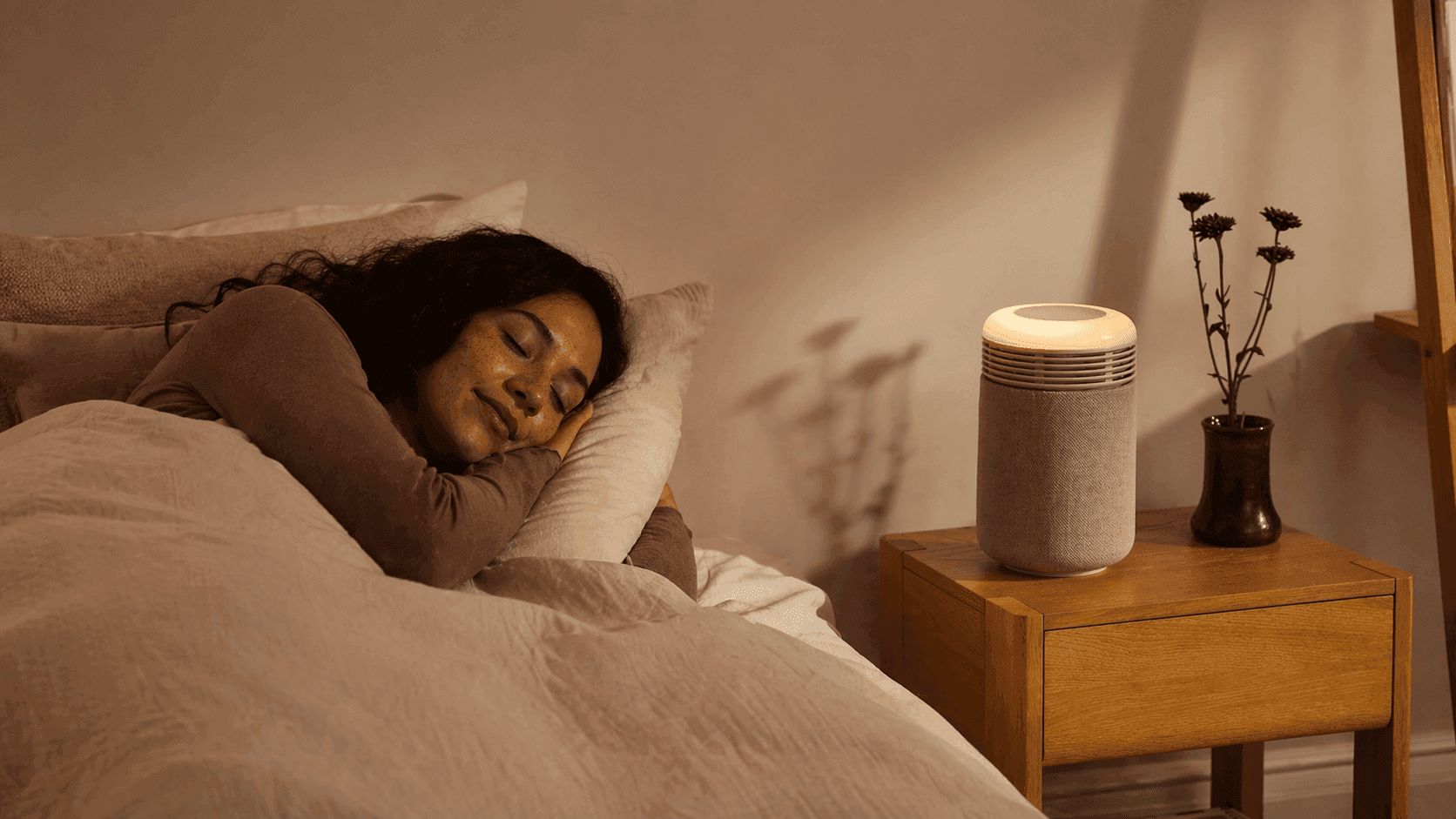
Air at home can carry more than just a breeze—it often brings dust, pet dander, and invisible pollutants along with it. That’s where the BLUEAIR Air Purifier steps in, offering a clean and efficient way to improve indoor air quality without adding noise or hassle to your space.
After testing different models across small rooms and larger living areas, the results felt consistent: noticeable reduction in dust, fewer allergy triggers, and quieter nights. This guide breaks down real performance, pricing, and everyday use so you can decide if it fits your space.
BLUEAIR Air Purifier Models, Pricing, and What You Get
Blueair offers a wide range of models, making it easier to match your room size and budget without paying for features you won’t use.
-
Blue Pure 511 – Around $89–$119 (Amazon US)
Best for small bedrooms or desks -
Blue Pure 411 Auto – Around $99–$139
Compact with smart auto mode -
Blue Pure 311i Max – Around $199–$249
Strong mid-range performance -
Blue Pure 211+ Auto – Around $299–$349
Designed for large rooms and open spaces
These prices align with current Amazon listings and fluctuate slightly during sales events.
Performance and Coverage You Can Expect
Blueair units focus on high airflow and fast purification cycles.
- CADR (Clean Air Delivery Rate): 120–350 CFM
- Room Coverage: ~190 sq ft to 1,200+ sq ft
- Air Changes Per Hour: Up to 4–5 times
In use, placing the 311i Max in a 300 sq ft bedroom reduced visible dust within a couple of days. Allergy symptoms also felt less intense during nighttime, which lines up with findings from the EPA, stating that air purifiers can reduce indoor particle levels when properly sized.
Filtration System: How It Actually Works
Blueair uses its HEPASilent™ technology, which combines electrostatic and mechanical filtration.
- Captures 99.97% of particles down to 0.1 microns
- Handles dust, pollen, smoke, and pet dander
- Includes a carbon layer for light odor control
This system works differently from a traditional HEPA air purifier alternative. While it doesn’t carry official HEPA labeling, performance is comparable in real-world use.
👉 Multiple perspectives:
- Some users prefer certified HEPA filters for peace of mind
- Others value airflow efficiency and quieter operation more
Noise Levels: One of the Strongest Points
If noise matters, this is where Blueair shines.
- Sleep mode: 18–24 dB (almost silent)
- Normal use: 35–45 dB
- Max speed: 50–56 dB
Running overnight in a bedroom felt unobtrusive, even for light sleepers. Compared to other units tested, this falls among the best for a quiet air purifier category.
Smart Features and Daily Convenience
Modern features add convenience without making things complicated:
- Built-in PM2.5 air quality sensor
- Auto mode adjusts fan speed in real time
- App control via smartphone
- Works with Alexa and Google Home
- LED air quality indicator
- Filter replacement alerts
From experience, the auto mode handles daily changes well—especially during cooking or cleaning sessions when air quality drops quickly.
Energy Use and Long-Term Cost
Blueair units are designed to run continuously without high electricity use.
- Power consumption: 2W to 50W
- Annual cost remains low compared to many appliances
Filter replacements:
- Last about 6 months
- Cost between $20–$80 each
- Annual maintenance: roughly $40–$150
👉 Addressing concerns:
Filter costs can add up over time. If long-term savings matter, this is worth factoring into your decision.
Design and Build Quality
Blueair leans into a clean, Scandinavian look that blends easily into most rooms.
- 360° air intake improves airflow
- Fabric pre-filter (washable and customizable colors)
- Lightweight and easy to move
Quick size reference:
- 411 Auto: compact and desk-friendly
- 311i Max: balanced size and performance
- 211+ Auto: best for large open areas
Pros and Limitations
What Works Well
- Extremely quiet operation
- Strong airflow for faster cleaning
- Energy efficient for daily use
- Easy setup and simple controls
- Sleek, modern design
What Could Be Better
- Ongoing filter replacement cost
- Limited deep air quality analytics
- No official HEPA certification
Conclusion
The BLUEAIR Air Purifier offers a strong balance of performance, quiet operation, and modern design. It works especially well in bedrooms, living rooms, and spaces where clean air matters without extra noise. While filter costs and lack of HEPA labeling may raise questions, the overall experience remains reliable and user-friendly.
If cleaner indoor air is part of your goal, it’s worth checking current deals and reviews on Amazon. You’ll also find other models and features that might fit your setup even better.